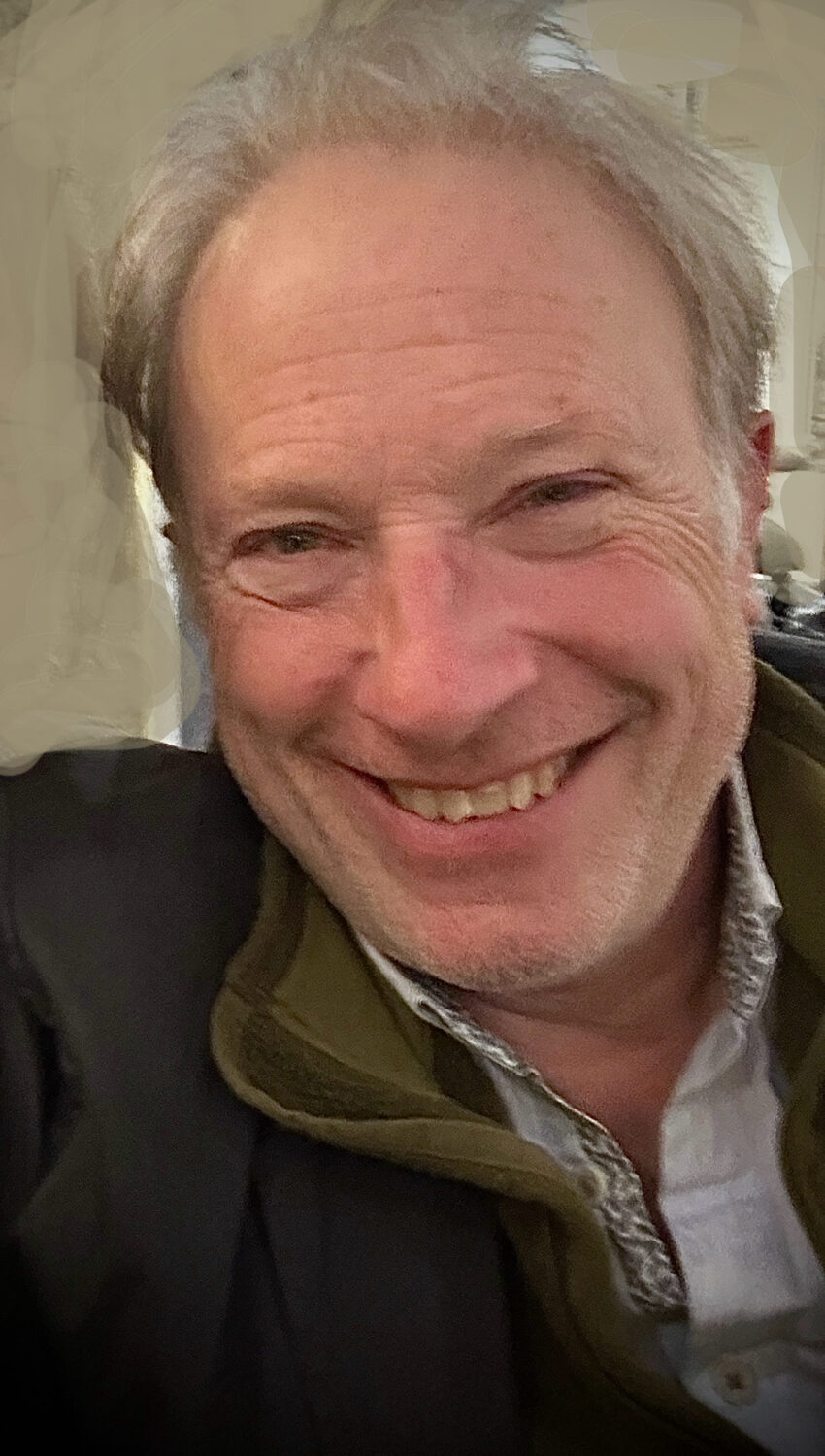
I am Director of the Elphinstone Institute, a center for the study of Folklore, Ethnology, Ethnomusicology and ICH at the University of Aberdeen in Scotland. I am interested in how traditional knowledges and creativity can be used to build cultural self-esteem and stronger communities.
In Scotland, I have worked with the Traveller community for more than thirty years, facilitating co-produced programming on cultural self-esteem and building understandings between the Traveller and settled communities. I champion learning in local languages in developing cultural confidence and I have opened our Master’s and PhD programs to those with life experience and our graduates range in age from 23 to 82.
In Santiago Atitlán, Guatemala, I work with local Maya Tz’utujil artists looking to pass on their pre-Spanish conquest knowledge to younger generations. We’re working on a CD project and a book for schools about Mayan environmental knowledge, relevant in today’s volatile climate). There, I am also part of a broader Disaster Risk Reduction initiative bringing together geophysical knowledge and local experiential knowledge of living in these dangerous environments, aiming to produce culturally situated, and more effective, disaster response systems.
In my extensive analytical work on song, I explore why people sing, how people make songs, and the role of song in today’s world – you can argue with a philosopher, but you can’t argue with a good song. As part of the James Madison Carpenter Project team, I have worked with cylinder and disc recordings of Scottish and Appalachian songs under the joint auspices of the AFS, the NEH, and the British Academy.
I have written on silence, the silence created when dementia causes second language loss and newly minted monoglot speakers. I suggest ways that our care systems might adapt to deal with migrants who now find themselves in linguistic isolation.
My current research on youth boatbuilding projects explores “knowing by doing”, experiential learning through embodied and enacted craft practices that help build self-reliance – stronger individuals and community members.
Internationally, I have served two terms as President of the Kommission für Volksdichtung, broadening our reach and facilitating access for young scholars, and as board member and then Vice President of the Societe Internationale d’Ethnolgie et de Folklore (2017–2025), where I convened the Higher Education Committee, building links across Europe and with AFS.
Recent(ish) publications exemplifying the diverse roles that tradition can play include, “‘Do you remember, Lord Gregory?’: The Agency of Memory in Scottish Ballads” (2023), “The Tarves People’s Party ― Fire, Planning, and Community” (2021), and “Old Words in New Contexts: Multi-Layered Communication in Scottish Traveller Cant” (2021). I am currently working on a “Knowing by Doing” special edition of Cultural Analysis.
Statement of Candidacy:
I’ve been part of AFS since my first-ever paper in 1990, when the take-up reel of the tape player1 was absent – I had to sing my examples in front of Peter Narváez and John Miles Foley. Since then, I’ve learned a lot and made wonderful colleagues and friends. I believe our field’s purpose is to combing understanding and action to create change, using the processes of tradition to reinforce community, both our own and those in which we work.
For me, folklore is about relationships – the individuals and communities we work with, the mentors we meet, the students we try to inspire in our field and in this society. As I have progressed, I find myself becoming ever more activist in what I expect a folklorist to do and be. From an interest in individual traditions, I now see our role as using our skills to make our cultural and social environs better places to live and work.
Increasingly, I focus on process, rather than specific content. How can we use tradition(s) to foster or create the interactions that negotiate identity, creativity, and belonging? How can we use story, craft, and performance to build meaning, to care for one another, and to navigate complex realities – for young people in rural Scottish or Guatemalan communities, or city kids in New York?
My scholarly and public practice focuses on everyday creativity as a mechanism for social good.
- I work extensively with the Scottish Traveller community, co-producing research that uses the methods and ethics of folklore to foster understanding, cultural equity, and social justice, whether in public events, or in seminars on ethical work with Traveller communities with university settings.
- My work with youth boatbuilding projects in Scotland and NYC shows how skills learned by touch, observation, and mimickry can empower young people, particularly those who don’t learn so well in standard educational paradigms. Such encounters strengthen intergenerational ties, forge shared purpose and belonging, and develop community resistance (a more powerful and fairer term than “resilience”).
- In recent years, I have also been fortunate to work alongside Maya Tz’utujil communities in Guatemala, contributing to projects that amplify local voices, emic belief systems, and environmental knowledge.
These collaborations, including the development of a book for schools on Mayan experiential environmental knowledge, aim to help build cultural equity in the face of hegemonic, colonially imposed ways of knowing.
Such work has reaffirmed my belief that folklore scholarship must be guided by partnerships and a deep curiosity for wisdom and epistemologies other than one’s own. These collaborations have taught me that the folklorist’s role is to facilitate, by listening, responding, and sharing authority, approaches that I would bring to my work on the Board.
As a fabled “Dead White Male”, I am acutely aware of the privileges from which I have invisibly benefited and of the urgent need to rebalance academe. You would think that we would be done with this by now, but there is a lot more work to do, and I am committed to changing (men’s) behaviors in this quest.
I also believe that while I am a strong ally in decolonial work, I am in no position to lead. That work must be designed by those who have survived and continue to endure colonial and patriarchal domination. My responsibility is to listen, to support, and to use whatever institutional leverage I have to create the spaces and opportunities for others to lead, define, and reshape.
I believe in cultural equity, parity of esteem for everyday creativity, and vernacular expression. These values guide how I teach, publish, mentor, and convene. On a specific note, our professional spaces must be safe, welcoming, and free from harassment or discrimination. I will support uncompromising approaches to professional conduct and promote increased accountability. Our field’s ethical stances must inform how we treat each other, and I will do my best to ensure that AFS embodies the inclusive, participatory spirit which must define our discipline.
If elected to the Executive Board, I will bring a collaborative spirit and a thrawn2 advocacy to strengthening ties among practitioners, scholars, and the public, amplifying the work of community partners, and keeping equity and ethics at the heart of it all.