Folklife 101: State Folk Arts Programs delves into some of the basic principles and philosophies that frame our work, even within our diverse agency settings and agency priorities. We will explore hands-on practices and consider strategies, along with an overview of the types of activities in which Folk Arts Partners engage—from grant-making to public programs and special initiatives.
In addition to providing an overview of the field, the presenters model some of the ways public folklorists engage with the public, including inviting people to understand folk and traditional arts and to relate the some of the basic concepts of our field to their own lives. The workshop culminates in an interview with Lakota Hoop Dancer Starr Chief Eagle, who has worked in various capacities with the South Dakota Arts Council over many years. This segment models a narrative stage, in which a folklorist interviews an artist(s) or community member before a public audience. This interview reflects a collaborative approach to working with traditional artists, as Starr co-curated the interview topics and questions.
The interview highlights Starr’s perspective on the meaning of Hoop Dancing in her life, and how she engages with a state folklife program to support and share her traditional practices. Interfacing with the public through various programs offers her the opportunity to educate people about her culture, which she feels is very important. She reflects on Hoop Dancing as both rooted in Lakota culture while also a unique expression of her individual identity and experience. Starr emphasizes the importance of providing arts experiences to rural communities. She shares ways that she is currently expanding her repertoire with new culturally based artistic expressions and materials—illustrating the dynamic nature of traditional arts.
Throughout the session, the presenters respond to pre-registration questions, and those posed during the workshop.
Note: This session complements an earlier introductory workshop, “Folklore 101: From Program Design to Project Budget,” presented in 2022 by Emily Hilliard and Jon Kay as part of the FAP PDI. This earlier workshop offers a critical forum to explain and interrogate common programs from folklife programs including fieldwork, apprentice programs, public programs and festivals, archiving, arts education, and partnerships.
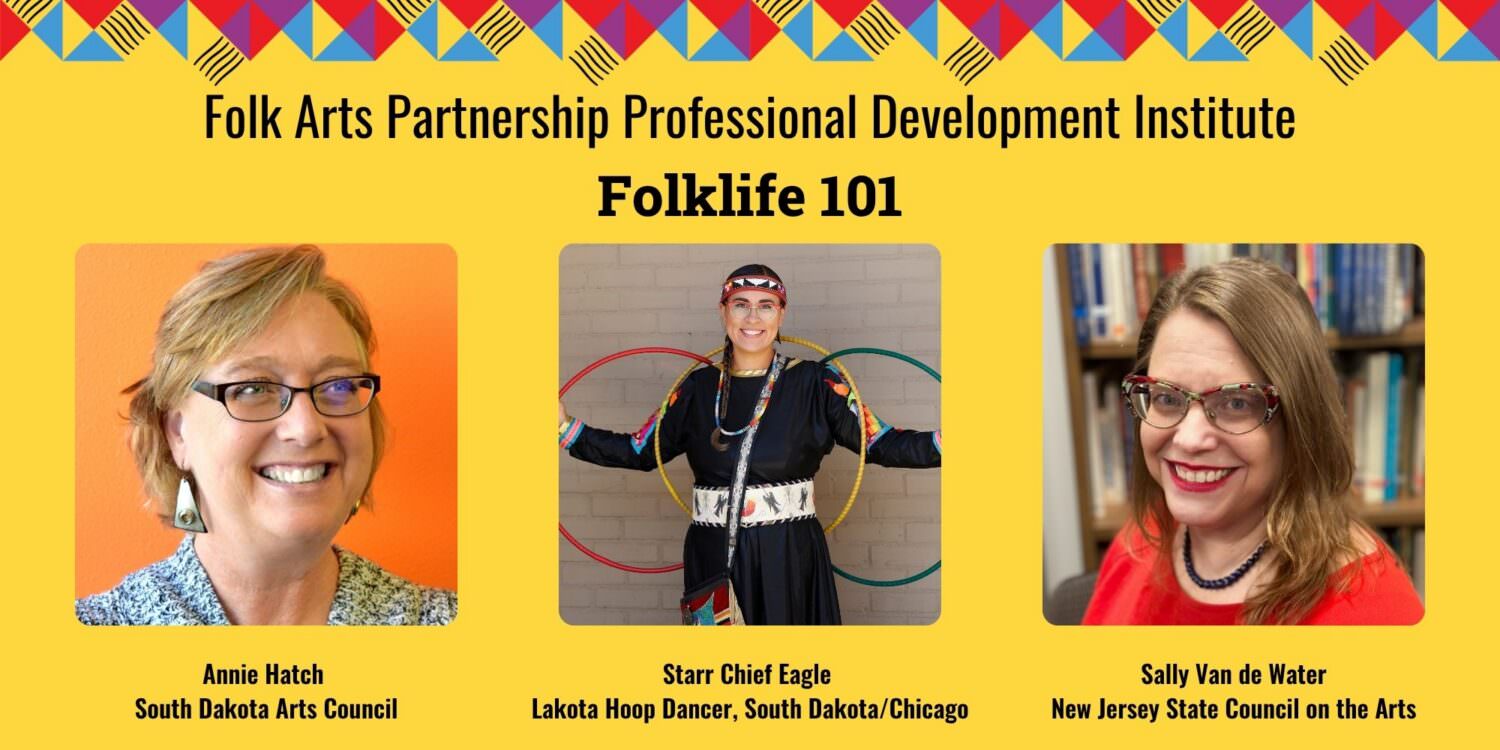
Facilitators: Annie Hatch (South Dakota Arts Council), Sally Van de Water (New Jersey State Council on the Arts), and Starr Chief Eagle (Lakota Hoop Dancer, South Dakota/Chicago)
Workshop Recording
Workshop Presentation
Folklife 101: State Folk Arts Programs (PDF)
Workshop video log (a timestamped log of topics covered throughout the workshop)
About the Facilitators
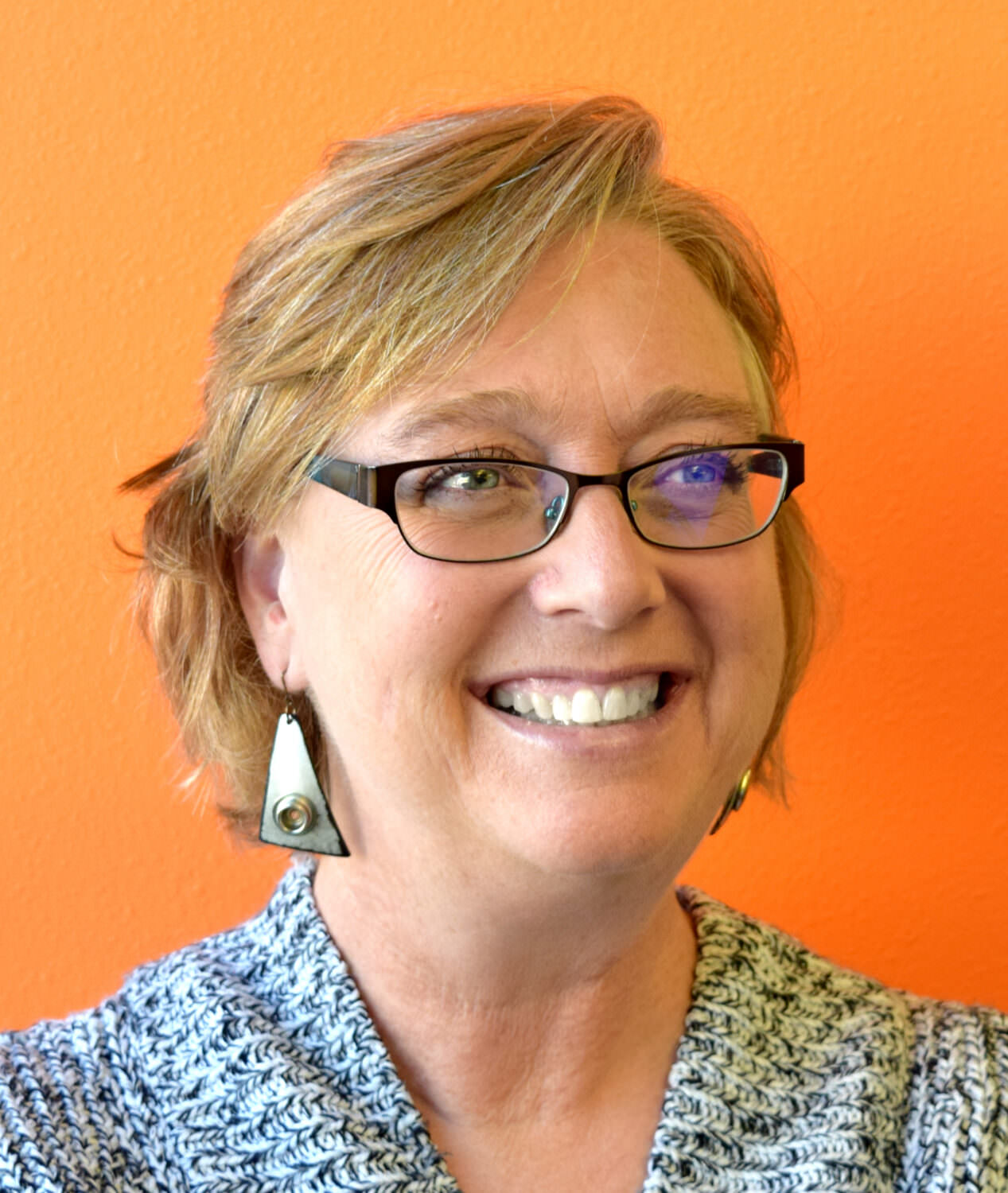
Anne F. Hatch (Annie) is a consultant in folklore, cultural programming, and fundraising. Annie currently consults part-time for the South Dakota Traditional Arts program of the South Dakota Arts Council as well as for cultural organizations nationwide. She has 30 years of experience in public folklore, fundraising and arts administration in the American West. Her work includes creating programs that support traditional arts through events, exhibits and documentaries (Dutch Hop! aired on PBS 2020-2023) and developing collaborations to provide services to artists, organizations, and general audiences. She has a MA in American Studies/Folklore from Utah State University and a BA in Anthropology from Oberlin College. She serves as a trustee for the Western Folklife Center and is a former Trustee with the Laramie County Library Foundation, serving as Chair during a successful $2 million capital campaign. When not participating in cultural activities, she enjoys mahjong, knitting and streaming Nordic Noir.
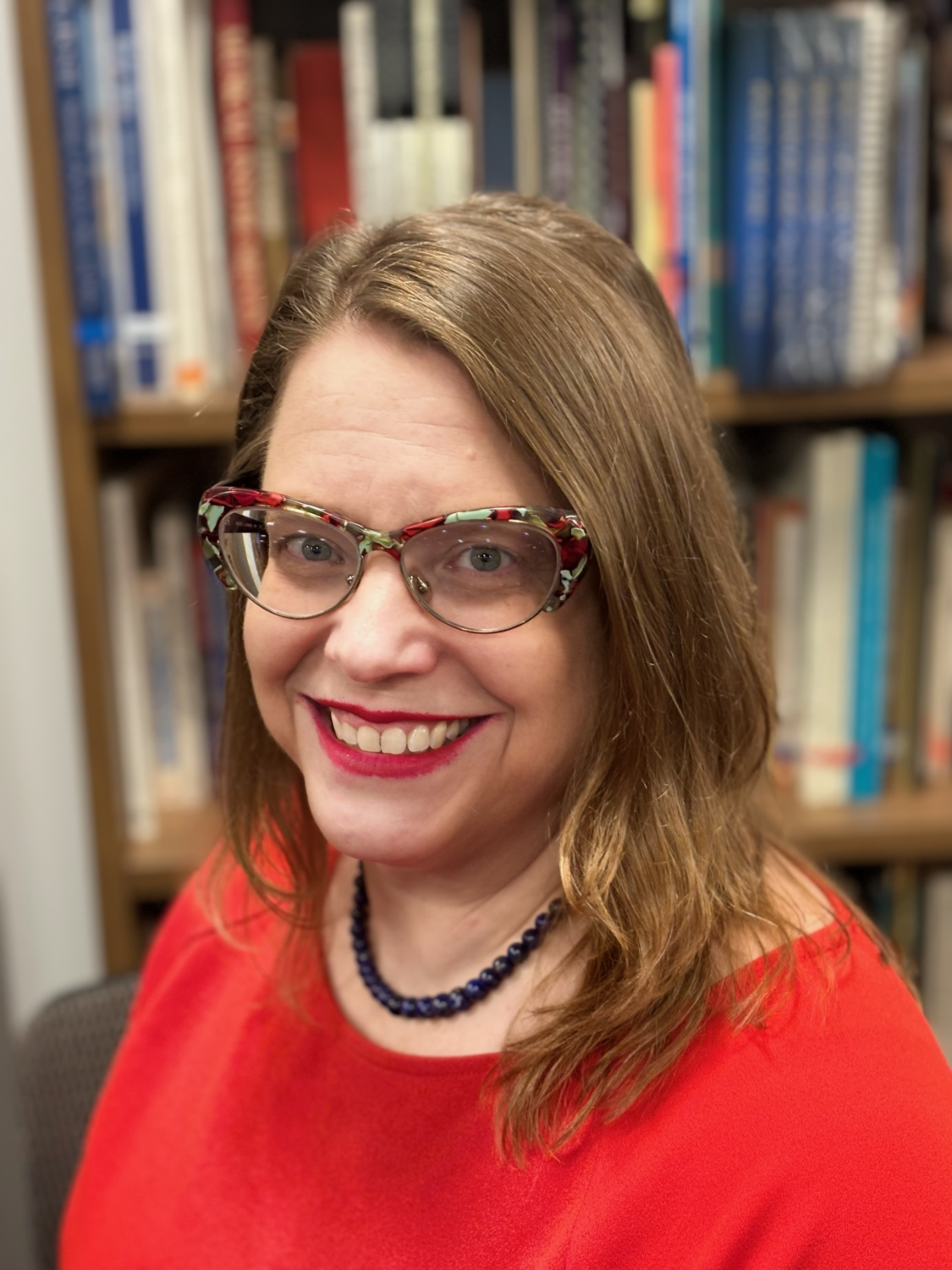
Sally Van de Water (she/her) is the Program Officer for Folk and Traditional Arts at the New Jersey State Council on the Arts. In this role, she manages grants for individual folk and traditional arts practitioners, including the New Jersey Heritage Fellowships and the Folk and Traditional Arts Apprenticeship Project, and manages the statewide New Jersey Folklife Network. A folklorist who has worked in cultural heritage arenas for nearly 30 years, she has managed folk and traditional arts programs with state, regional, and national scopes. She holds degrees from Bryn Mawr College and Western Kentucky University.
Starr Chief Eagle, an enrolled member of the Rosebud Sioux Tribe, is a renowned artist, educator, and master Hoop Dancer. Born with the Lakota name “First Star” and later honored with the name “Brave Star Woman” in adulthood, Starr brings a deep connection to her heritage into every performance. Originally from South Dakota and now based in Chicago with her family, she has shared her art worldwide—gracing stages at prestigious venues including the Smithsonian and the Field Museum.
With over 30 years of Hoop Dance experience, Starr holds degrees in American Indian Studies and Lakota Studies. She was named “Educator of the Year” by the Crazy Horse Memorial in 2018. In 2024 and 2025, Starr earned the title of Intermountain Hoop Dance Champion. Her performances go beyond entertainment; they are immersive educational experiences that weave together the Lakota language, traditional storytelling, and cultural teachings—inviting audiences of all ages and backgrounds to connect through the power of dance and heritage.

The Hoop Dance: A Celebration of Culture, Balance, and Artistry
The Hoop Dance is a powerful expression of Indigenous culture that embodies core values such as respect, creativity, determination, and balance. Rooted in tradition and performed by numerous Indigenous nations across the United States and Canada, this ancient dance is both a spiritual practice and a storytelling art. While embraced by many tribes, mastering the Hoop Dance is a rare and demanding skill, often requiring years of dedicated practice. The hoops symbolize peace, unity, healing, and balance, and are used to form intricate shapes, designs, and figures that convey deeply personal and cultural stories.
Workshop Resources
Public Folklore 101: From Program Design to Project Budgeting
This workshop offers a critical forum to explain and interrogate common programs from folklife programs including fieldwork, apprentice programs, public programs and festivals, archiving, arts education, and partnerships. Participants familiarize themselves with established public folklore practices as well as become comfortable interrogating the continued relevance of such practices given their particular goals, budgets, and infrastructures. Facilitators: Emily Hilliard and Jon Kay.
There are a wealth of resources out there on the web where you can explore the field of folk and traditional arts. Many of the organizations listed below have newsletters to which you can subscribe, including the American Folklore Society, the National Endowment for the Arts Folk & Traditional Arts Program, the American Folklife Center at the Library of Congress, the Smithsonian Center for Folklife and Cultural Heritage, and Local Learning, among others. Many state folklife programs host excellent websites, with access to online exhibits, documentaries, radio programs, publications, and more. For a list of Folk Arts Partners in the U.S., view the directory of SAAs and RAOs on the National Assembly of State Arts Agencies website.
Public Folklore
American Folklore Society
https://americanfolkloresociety.org/
Check out the About page for a basic overview of the American Folklore Society. See especially the Resources page for a treasure trove of information, from definitions of the field, folklore podcasts, an online exhibit featuring Notable Folklorists of Color, a Folklore Advocacy Toolkit, and much more! See also the Folklore Works page for examples of folklorists working on various projects in their communities. The Folk Arts Partners Professional Development Institute (FAP PDI) page is where you will find the Resource Hub and more.
National Endowment for the Arts
Search the NEA website for grants, articles and programs relating to Folk & Traditional Arts. The National Heritage Fellows page contains profiles and films featuring the annual recipients of this award, as well as information about nominating an artist for this honorific.
American Folklife Center at the Library of Congress
https://www.loc.gov/research-centers/american-folklife-center/about-this-research-center/
Browse the AFC website to explore collections and special initiatives like the Occupational Folklife Project, the Veterans History Project, and more.
The Smithsonian Center for Folklife and Cultural Heritage is a gateway to a host of projects like Folkways, the National Folklife Festival, the Cultural Vitality Program, and much more.
Local Learning is the national network for folklore and education. Its network hosts the online Journal of Folklife and Education, information about Local Learning’s various teacher and artist training programs that bring folk arts education into the classroom, as well as resources including lesson plans, research and reading guides, and much more.
Folkstreams Is a non-profit dedicated to finding, preserving, contextualizing, and showcasing documentary films on American traditional cultures. This website offers free access to a mind-boggling array of documentary films, searchable by topic.
Starr Chief Eagle
Starr Chief Eagle’s website hosts information about her work, her Hoop Dance Tradition, Lakota culture, the programs and services she offers, and much more. On the landing page, you can view a short video, Starr Chief Eagle Spotlight, that allows you to see her doing the Hoop Dance.
Starr Chief Eagle TEDxUSD Talk
Watch Starr Chief Eagle’s TEDxUSD Talk, Healing the Broken Hoop, in which she explains the meaning of her individual choreography, based on her life story.
Starr Chief Eagle at the Chicago Field Museum
View the brief video clip that was presented at the Folklife 101: State Folk Arts Programs workshop. Note: this clip is posted on Facebook, so requires a Facebook account to view it.
Story of Hope: Starr Chief Eagle
Starr Chief Eagle is featured on a blogpost hosted by Native Hope, an outreach of St. Joseph’s School, featuring Voices of Indian Country.