
Angalkut/Shamans in Yup’ik Oral Tradition (University of Alaska Press) collects over thirty years’ worth of Yup’ik angalkut stories and is the first book devoted exclusively to these shamans and their roles in Yup’ik life.
Recent Releases

Folklorist Dorothy Noyes teams up with political scientist Tobias Wille to publish Exemplarity in Global Politics (Bristol University Press)—a volume that draws on folkloristic theories to give a new account of a mechanism that is celebrated in liberal discourse but trickier in practice: the performance and uptake of examples.

Deevara Chittara (Prism Books) is a visual documentation of Chittara, a folk art tradition kept alive by the women of the Deevaru community in the Malenadu region of Karnataka state, India.
Four timely articles from JAF: A Global Quarterly are free to access through the end of this month.
The latest issue of Folklorica, the journal of the Slavic, East European, and Eurasian Folklore Association, has been released. All content of Folklorica is freely available.
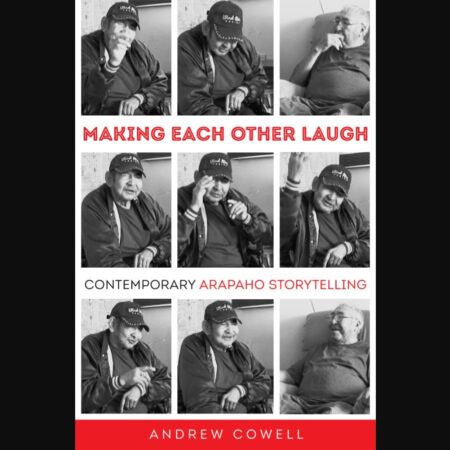
Largely humorous, sometimes hilarious, often centered on encounters with Euro-American society and technology, the stories in Making Each Other Laugh (University of Oklahoma Press) bear witness to the continuing vitality of Native American oral traditions.

In Oral History: A Very Short Introduction (Oxford University Press), Douglas A. Boyd examines the oral history interview, recording techniques and strategies, technologies for making oral history accessible, and the legal and ethical implications throughout the work of oral history.
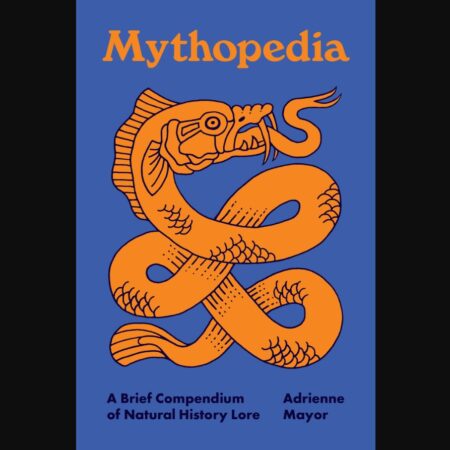
In Mythopedia (Princeton University Press), Adrienne Mayor shows how geomythology is expanding our understanding of our planet’s history, revealing the human desire to explain nature and weave imaginative stories intertwined with keen observation, rational speculation, and memory.
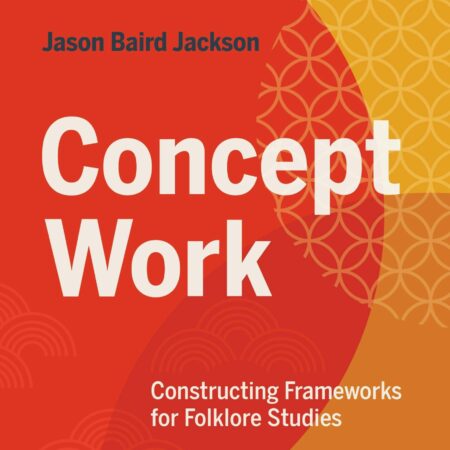
In Concept Work (Indiana University Press), AFS Fellow and President-Elect Jason Baird Jackson illustrates scholarly concept work in folklore studies through accounts of four concepts that are significant to the field but not yet richly explored—colonization, cultural heritage, cultural appropriation, and world-systems.

Festival Activism (Indiana University Press) is a collection of case studies from scholars, performers, and arts administrators, all of whom argue that festivals do more than simply celebrate culture; they also shape culture, creating new forms of aspirational community with direct political effects.