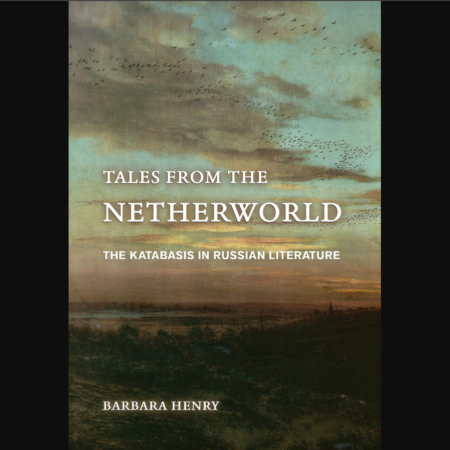
Tales from the Netherworld (Northern Illinois University Press) explores the theme of katabasis in Russian literature from its earliest secular texts—folktales—until the end of the New Economic Policy, when official dictates affected the subjects that writers might safely explore.
Recent Releases
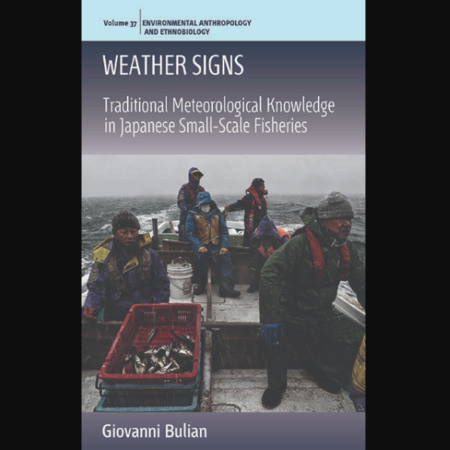
Drawing on ethnography, historical sources, and vernacular environmental knowledge, Weather Signs (Berghahn Books) examines how fishermen and coastal communities in Japan read winds, clouds, seas, animals, and celestial signs to anticipate change and manage risk.
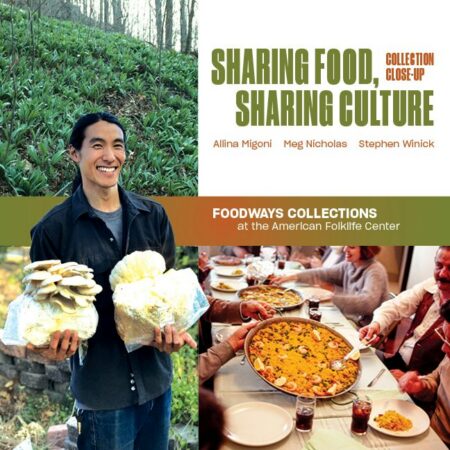
Sharing Food, Sharing Culture (Library of Congress) shares the wealth of cultural documentation about community-based foodways found in the collections of the American Folklife Center at the Library of Congress.
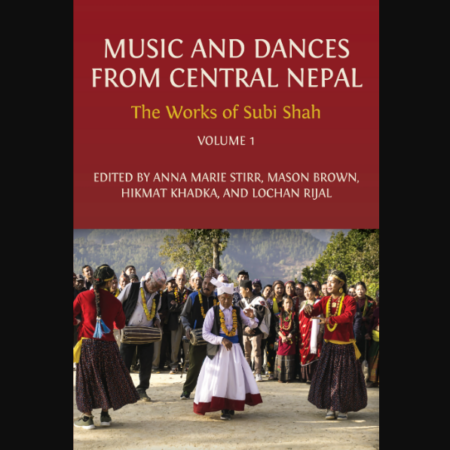
Music and Dances from Central Nepal (Open Book Publishers) is the first English translation of the works of performer, educator, and writer Subi Shah. The book is freely available to read and download in both PDF and HTML formats.
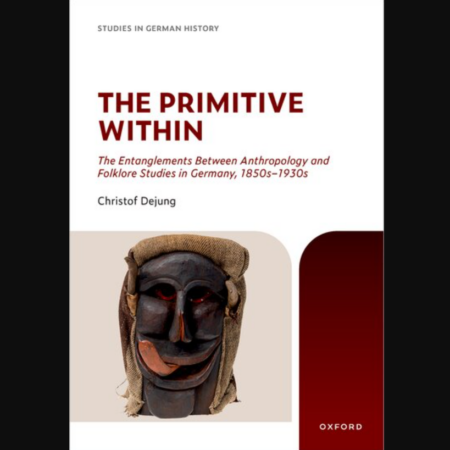
The Primitive Within (Oxford University Press) is the first book to examine the relation between German folklore studies and colonial anthropology in the age of empire. It expounds how anthropologists and folklorists aimed to compare rural cultures in the European hinterland to supposedly primitive societies in the colonial peripheries in the 19th and early 20th centuries.
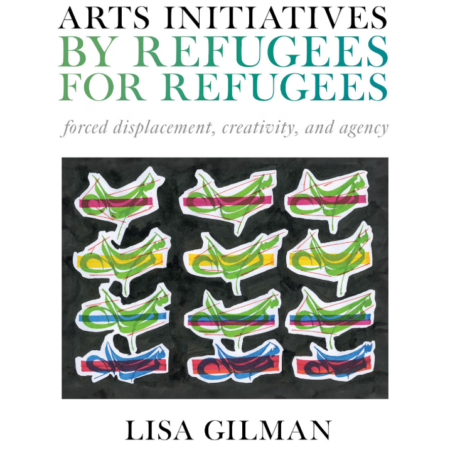
Arts Initiatives by Refugees for Refugees (Berghahn Books) is a narrative-driven book based in global multi-site research about the arts and cultural dimension of refugee “crises” in discrete geographic and social-political contexts. Open Access content is available for this title.
The forthcoming Fall 2026 JAF: A Global Quarterly includes Amy Skillman’s presidential address from the 2025 AFS Annual Meeting, essays about the symbolic and ecological roles of insects in African oral traditions and folklore, how supernatural folklore shapes perceptions of forested landscapes, and Icelandic witch trials.

The new edition of Neerihiinjìk (Alaska Native Language Center) contains additional photographs, carefully revised translations by Craig Mishler and Kenneth Drizhuu Frank, and an expanded Frank family tree by Crystal Frank Welker. Through an online link, it is also possible to hear the voices of the original storytellers while reading the Gwich’in transcriptions.
The 2026 issue of the Journal of Folklore and Education (JFE) edited by Camille Maria Acosta and Sheila Bock is now available. The theme of this issue is "Teaching with Monsters: From Whimsy to Shadow."
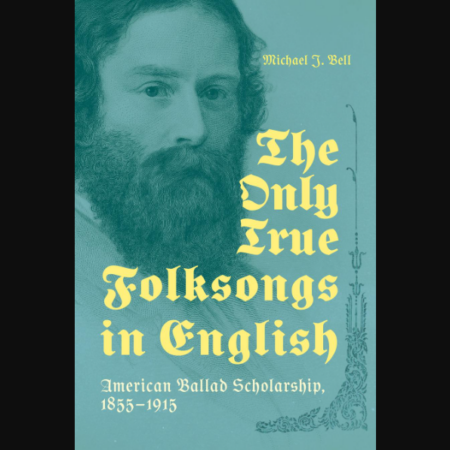
The Only True Folksongs in English (University Press of Mississippi) uncovers how nineteenth-century American scholars including the children of farmers, sail makers, and ministers set out to prove that a young republic could, in fact, have its own folk tradition.