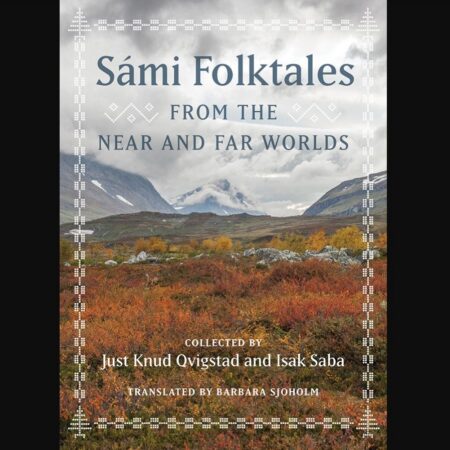
Comprising more than 300 folktales and legends from Northern Norway, Sámi Folktales from the Near and Far Worlds (University of Minnesota Press) is the most extensive compilation of Sámi narratives recorded from Sámi storytellers ever published in English translation.
Recent Releases
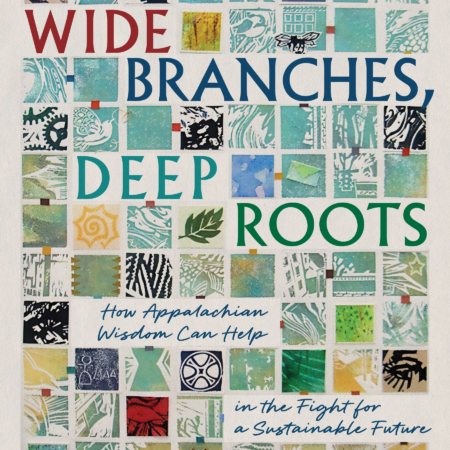
Wide Branches, Deep Roots (West Virginia University Press) is a collection of over thirty pieces that explores the connections between Appalachia’s stories, traditions, and modern events and the pathway to regional sustainability.

Our Common Life: Folksong from the Front Porch to the Concert Hall (University of Illinois Press) by Stephen Wade illuminates the truth that creative freedom within informal tradition, fundamental to the artists and their processes, speaks to a resourcefulness inscribed in America’s founding charter and expressed in its common life.
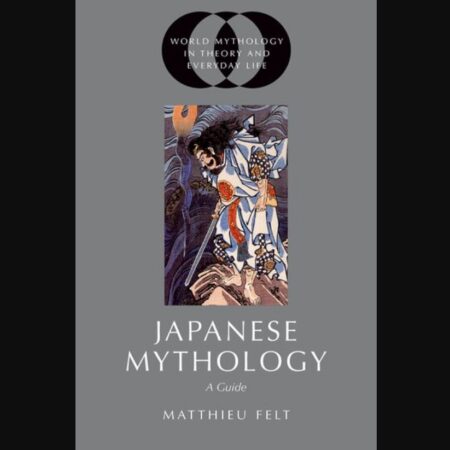
Japanese Mythology: A Guide (Oxford University Press) provides simplified retellings of Japanese myths based on close reading/translation of primary materials, as well as offers a survey of Japanese mythological methods and extensive references to primary sources for further research.
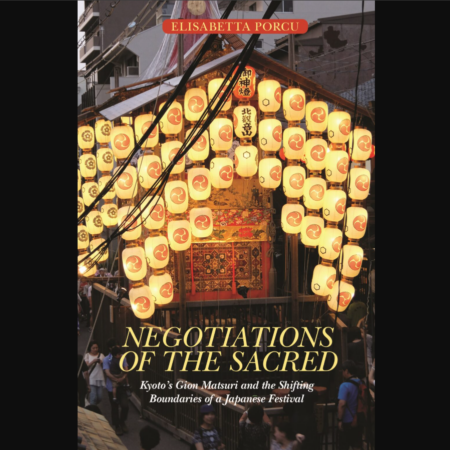
Negotiations of the Sacred (University of Hawai'i Press) offers a fresh perspective on one of Japan’s most famous festivals and will be welcomed by students and scholars of Japan, particularly those interested in religion, festivals, folklore, political and social structures, and cultural heritage.
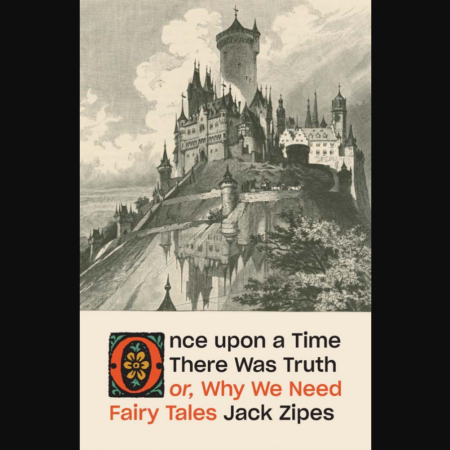
In Once upon a Time There Was Truth (Yale University Press), Jack Zipes argues in a collection of essays that fairy tales remain relevant and powerful, that they still speak truth to power in the contemporary world.
The Spring 2026 JAF: A Global Quarterly includes essays proposing an “ethnography of singing” and new classifications for Persian folk poetry, Perspectives on Crisis and Action Part II, and obituaries and reviews of recent work in the field.

Only Girls Bleed (Legend Times Publishing), a debut novel by AFS Past President Elaine Lawless, will be released this June and September. A special session about this book is planned for the 2026 AFS Annual Meeting.

The latest issue of the Journal of Folklore Research (JFR) has been released.
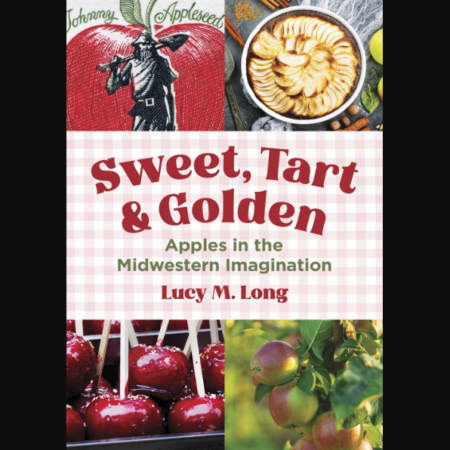
Sweet, Tart, and Golden (University of Illinois Press) blends food history with on-the-ground exploration to tell the multifaceted story of the apple.