
New York Folklore's 2026 Folklore/Folk Arts Internship will be hosted by the New York State Old-Tyme Fiddlers Association and Hall of Fame in Redfield, NY this June through August. Applications are due March 31, 2026.
News
ACLS, AHA, and MLA filed a motion that included discovery documents revealing that the Department of Government Efficiency (DOGE) used a flawed ChatGPT process to identify “DEI programs” and inform decisions to terminate grants awarded by the National Endowment for the Humanities (NEH). Learn about the motion and how you can take action.
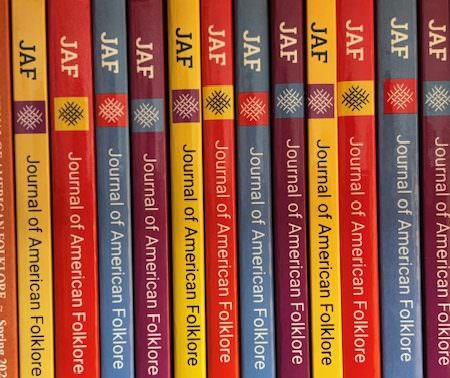
A virtual information session that answers your questions and gives you practical advice for preparing your manuscript to JAF will take place March 25, 2026 at 12:00 pm ET.
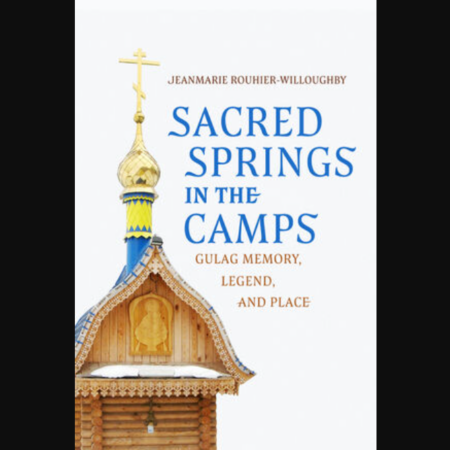
Sacred Springs in the Camps (University of Wisconsin Press) explores how legend creates, negotiates, and challenges collective memory; how lived religious practices intersect with the current revival of the Russian Orthodox Church; how politics intertwine with belief; and how the social construction of sacred places affects folk narratives, faith, and local identity.
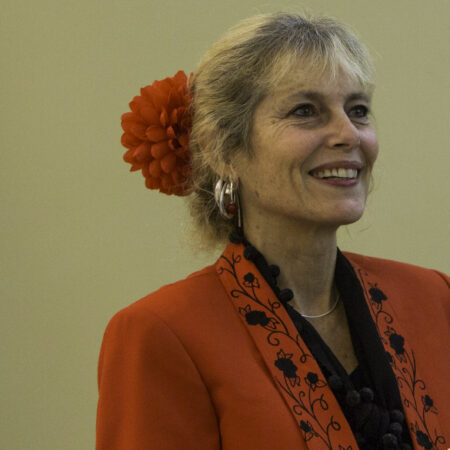
Jo Farb Hernández, a writer and curator who has worked in the field of vernacular art environment builders for over five decades, will release a visual documentation of self-taught built environments during U.S. Architecture Week.

The 2026 Arkansas Folklife Festival will be held in North Little Rock, AR this June. The organizers are seeking interns who will support the planning, execution, and documentation of the event. Applications are due March 27, 2026.

Suyash Kumar Neupane is the winner of the 2025 Warren E. Roberts Prize for Best Student Project in Folk Art and Material Culture. Yael Schuller-Podbilewicz receives an Honorable Mention for this prize.
The AFS-MLA Liaison Committee invites proposals for papers on the theme of "Emancipatory Narratives" for the 2027 Modern Language Association (MLA) Annual Convention. Submissions are due March 25, 2026.

The Bohdan Medwidsky Ukrainian Folklore Archives (BMUFA) at the Kule Folklore Centre, University of Alberta invites proposals for two Residency Projects to work with the BMUFA collections. Applications are due March 20, 2026.
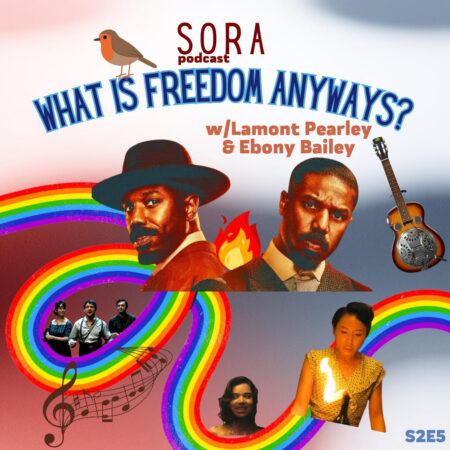
Folklorists Ebony Bailey and Lamont Pearley joined the Society of Reluctant Anthropologists (SORA) Podcast to deep dive into the film 'Sinners', exploring its themes of cultural appropriation, historical context, and the interplay of music and desire.
Share your news
Have some important news to share? We can help you get it out there! Fill out the submission form and send it our way.